



PPE
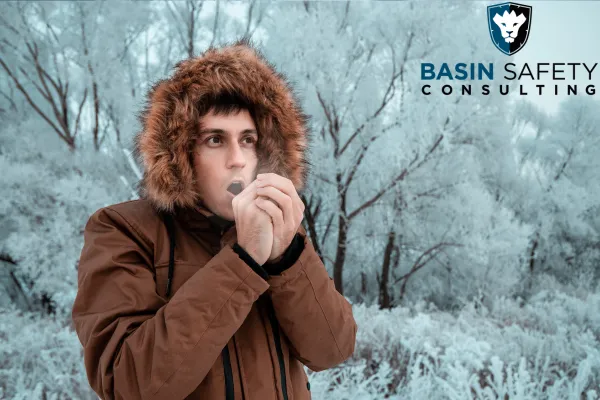
Cold Stress Awareness: Hypothermia & Frostbite Safety Guide
Working in the oilfield during winter brings a unique set of risks—and one of the most dangerous is cold stress. When temperatures drop, the body loses heat faster than it can produce it, increasing the chances of hypothermia, frostbite, and cold-related injuries.
Understanding the early warning signs can save lives, prevent downtime, and keep your crew protected throughout the winter season.
What Is Cold Stress?
Cold stress occurs when the body can’t maintain its core temperature. Wind, moisture, and freezing equipment accelerate heat loss, making outdoor job sites especially hazardous.
When cold stress sets in, workers may experience slower reaction times, reduced alertness, and impaired decision-making—factors that increase the risk of accidents.
Recognizing Hypothermia in the Field
Hypothermia happens when the body temperature drops below 95°F (35°C). It can escalate quickly, especially in wet or windy conditions.
Early Symptoms
Shivering
Fatigue
Poor coordination
Mild confusion
Tingling or numb fingers
Severe Signs (Emergency)
Slurred speech
Loss of balance
Weak pulse
Skin turning cold or bluish
Unresponsiveness
Immediate Response:
Move the worker to warmth, remove wet clothing, wrap them in blankets, and call emergency medical services.
Spotting Frostbite Before It Becomes Severe
Frostbite occurs when skin and underlying tissues freeze. It most commonly affects the nose, ears, cheeks, fingers, and toes.
Warning Signs
Pale, gray, or waxy skin
Numbness or tingling
Hard-feeling skin
Blistering in advanced cases
What To Do:
Warm the area gradually with body heat, avoid rubbing or applying direct heat, and seek medical help.
Who Is Most at Risk During Winter Operations?
Workers are more vulnerable if they:
Spend long periods in freezing temperatures
Work with wet or metal tools
Have limited access to warm-up breaks
Wear insufficient PPE
Are dehydrated, tired, or exposed to high winds
Even a short walk to a piece of equipment can put workers at risk when temperatures are low.
Preventing Cold Stress on the Jobsite
Wear Proper Winter PPE
Thermal layers
Waterproof outerwear
Insulated gloves
Insulated boots
Face coverings or balaclavas
Schedule Regular Warm-Up Breaks
Rotating workers helps prevent cold-related injuries and maintains alertness.
Keep Gear Dry
Wet PPE drastically increases heat loss. Always keep spare gloves and socks on hand.
Train Workers on Warning Signs
Quick recognition prevents long-term damage and saves lives.
Use Buddy Checks
Pair workers during extreme cold to monitor each other for symptoms.
Why Cold Stress Training Matters
Winter weather affects both workers and equipment. When crews understand how to spot hypothermia and frostbite early, they’re better equipped to keep operations safe, efficient, and incident-free.
Building a culture of winter readiness strengthens your safety program and protects every team member in the field.
At Basin Safety, we’re here to help your team stay safe, prepared, and confident in winter conditions. From cold stress awareness training to customized winter safety programs, we make sure your crew is ready for anything on the job.
Reach out today and let’s get your winter safety training on the schedule. Your team’s protection starts now.

Archives
Categories
Benzene Testing
Bloodborne Pathogens
Breathing Air Systems
Certification Process
Confined Space Attendants
Confined Spaces
Construction Equipment Operators
Electrical
Environmental Compliance
Excavation and Trenching
Fire Extinguisher Training
Forklift Operator
Hazcom Workplace Safety
HAZWOPER
Hearing Protection Training
Heavy Equipment
Hydrogen Sulfide
Lone Worker
Lone Worker Solutions App
Monitoring
Oil and Gas
Oil Drilling
Online Training Confined Spaces
Permit-required
PPE
Radiation Safety
Rescue Equipment
Rescue Team
Safety Consultants
Safety Devices
Safety Tracking
Safety Training
Site Inspections
Training 1
Training 2
Training 3
Training 4
Training 5
Uncategorized
Virtual Access to Safety Data
Waste Haulers
Confined Space Rescue
Mental Health
VISIT US
202 48th Ave SW, Williston, ND 58801
2740 Sims St. Suite B Dickinson, ND 58601
(701) 572-8140

BASIN SAFETY CONSULTING CORPORATION
Basin Safety believes in shared excellence. We are accountable to our core values:
● Pioneering Excellence Everyday
● Supporting each other to put customers first
● Asking the right questions, to ensure the greatest results.
Basin Safety Consulting © 2026. All rights reserved.
Powered By Upleveled Strategies
BASIN SAFETY CONSULTING CORPORATION
Basin Safety believes in shared excellence. We are accountable to our core values:
● Pioneering Excellence Everyday
● Supporting each other to put customers first
● Asking the right questions, to ensure the greatest results.
VISIT US
202 48th Ave SW, Williston, ND 58801
2740 Sims St. Suite B Dickinson, ND 58601
(701) 572-8140
Basin Safety Consulting © 2026. All rights reserved.
Powered By Upleveled Strategies