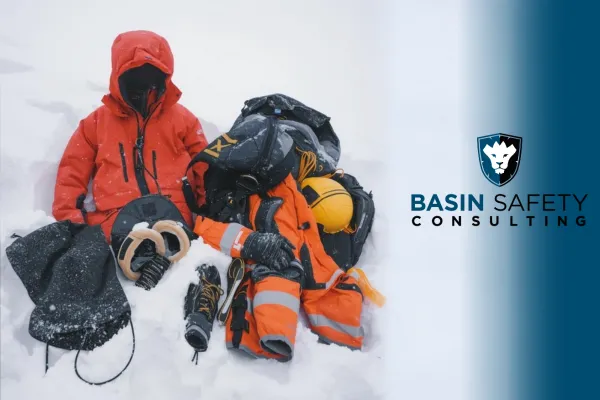
Winter PPE Essentials for North Dakota Oilfield Workers
Winter in North Dakota’s oil fields is unforgiving. With freezing temperatures, high winds, and long outdoor shifts, proper personal protective equipment (PPE) is not optional—it’s essential. Without the right winter PPE, oilfield workers face increased risks of frostbite, hypothermia, and reduced job performance.
This guide breaks down the winter PPE essentials every oilfield worker needs to stay safe, compliant, and productive throughout North Dakota’s harsh winter season.
Why Winter PPE Is Critical in North Dakota Oil Fields
Oilfield work already carries inherent risks, and winter conditions amplify them. Extreme cold can reduce dexterity, slow reaction times, and cause cold-related injuries in minutes. Wind chill, moisture, and contact with metal equipment make proper insulation and protection even more important.
Wearing the right winter PPE helps workers maintain body heat, stay dry, and safely perform tasks in extreme environments.
Essential Winter PPE for Oilfield Workers
Cold-Weather Protective Clothing
Layering is the foundation of winter PPE. Workers should wear thermal base layers that trap heat while wicking moisture away from the skin. Insulated, wind-resistant outerwear provides protection from freezing temperatures and harsh winds without restricting movement.
Insulated Gloves and Hand Protection
Hands are among the most vulnerable body parts during cold-weather operations. Insulated, waterproof gloves designed for oilfield work help maintain warmth while still allowing grip and dexterity when handling tools and equipment.
Workers should always have spare gloves available in case they become wet.
Winter Foot Protection
Cold feet can quickly lead to frostbite and reduced mobility. Insulated, waterproof steel-toe boots are essential for oilfield winter work. Thermal socks designed for cold environments help retain warmth while reducing moisture buildup inside boots.
Head, Face, and Neck Protection
A significant amount of body heat is lost through the head and face. Winter PPE should include hard-hat liners, insulated beanies, and face coverings such as balaclavas or neck gaiters. These items protect exposed skin from frostbite, especially during high winds.
Keeping Winter PPE Effective on the Job
Even the best PPE won’t work if it’s used incorrectly. Workers should ensure PPE fits properly and remains dry throughout the shift. Wet or damaged gear should be replaced immediately, and layered clothing should be adjusted as activity levels change to prevent sweating and heat loss.
Training and PPE Awareness Matter
Cold-weather PPE is most effective when workers understand how and when to use it. Winter safety training helps crews recognize cold stress risks, inspect PPE properly, and respond to early signs of frostbite or hypothermia.
Stay Protected All Winter Long
Surviving a North Dakota oilfield winter requires more than toughness—it requires the right PPE. From insulated clothing to proper hand, foot, and face protection, winter PPE plays a critical role in keeping oilfield workers safe in extreme cold.
Preparation, awareness, and proper training ensure crews can work confidently and safely throughout the winter season.
Need winter PPE or cold-weather safety training?
Contact us today to protect your oilfield crew this winter.


