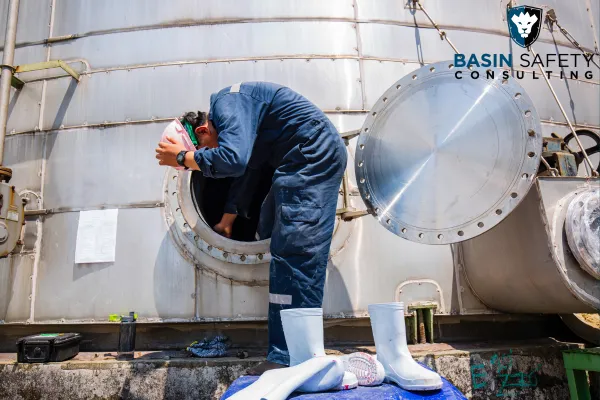
Every Second Counts in Confined Space Rescue
When it comes to confined spaces in industrial environments, every second can mean the difference between life and death. Confined space rescue is a highly specialized operation, and understanding the critical importance of response time can save lives and prevent severe injuries.
What is Confined Space Rescue?
Confined spaces are areas not designed for continuous occupancy, such as tanks, silos, tunnels, or sewers. These spaces often have limited entry or exit points, poor ventilation, and hazards like toxic gases or oxygen deficiency.
Confined space rescue involves trained personnel entering these areas to safely remove workers in distress. Speed and efficiency are vital because conditions can deteriorate rapidly.
Why Response Time is Critical
Rapid Oxygen Depletion: Many confined spaces can quickly lose breathable air. A delayed response increases the risk of hypoxia.
Toxic Exposure: Hazardous gases may accumulate, causing poisoning or burns.
Limited Access: Narrow or obstructed entrances slow rescue efforts, making preparation crucial.
Psychological Impact: Panic and stress can worsen the victim's condition, making every minute count.
Key Factors Affecting Rescue Response Time
Training & Preparedness
Rescue teams must have specialized confined space training and regular drills to respond efficiently.Equipment Readiness
Rescue gear—harnesses, breathing apparatus, retrieval systems—should always be inspected and ready for immediate use.Communication Systems
Reliable communication ensures quick coordination between onsite personnel and rescue teams.Pre-Planning & Risk Assessment
Mapping out confined spaces and identifying hazards beforehand reduces response delays during emergencies.
Best Practices to Improve Rescue Response
Conduct regular confined space drills to simulate real emergencies.
Keep rescue equipment accessible and properly maintained.
Use monitoring devices to detect toxic gases or oxygen levels in real time.
Maintain clear communication protocols for rapid alerting of rescue teams.
Conclusion
Confined space rescue response time isn’t just a metric—it’s a life-saving measure. Quick, trained, and well-equipped rescue teams can prevent injuries and fatalities. Prioritizing preparation, proper training, and safety protocols ensures that every second counts when it matters most.
Visit our website to book confined space rescue training today.


