



Fall Protection
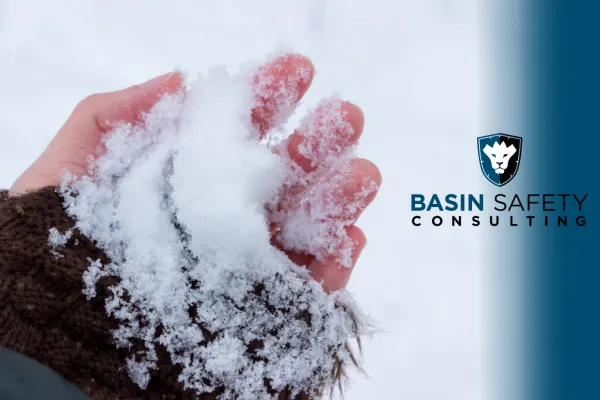
Preventing Frostbite in North Dakota Oil-Field Winters
Winter in North Dakota’s oil fields brings extreme cold, strong winds, and long hours of outdoor work. These conditions significantly increase the risk of frostbite, a serious cold-related injury that can cause permanent tissue damage if not addressed quickly.
Knowing how frostbite develops and how to prevent it is essential for maintaining worker safety and productivity throughout the winter season.
Why Frostbite Is a Serious Risk in Oil-Field Work
Frostbite occurs when skin and underlying tissue freeze after exposure to extremely cold temperatures. In oil-field environments, the risk is heightened by wind chill, wet conditions, and direct contact with cold metal equipment.
Oil-field workers often spend extended periods outdoors, which means frostbite can develop faster than expected—sometimes within minutes.
Body Areas Most Vulnerable to Frostbite
Certain areas of the body are more susceptible due to exposure and reduced circulation. These commonly include:
Fingers and hands
Toes and feet
Ears, nose, and cheeks
Even brief exposure of these areas in extreme cold can lead to injury, making full coverage critical at all times.
How to Prevent Frostbite in North Dakota Oil Fields
Wear Proper Cold-Weather PPE
Appropriate personal protective equipment is the first line of defense against frostbite. Workers should wear insulated gloves, thermal base layers, wind-resistant outerwear, and insulated waterproof boots. Face protection, such as balaclavas or masks, is especially important during high winds.
Stay Dry and Protected
Moisture increases heat loss and raises the risk of frostbite. To reduce exposure:
Change wet gloves or socks immediately
Use moisture-wicking materials instead of cotton
Keep all skin fully covered, even during short outdoor tasks
Take Regular Warm-Up Breaks
Warm-up breaks allow circulation to return to extremities and help prevent numbness from becoming severe. Workers should rotate outdoor duties when possible and use heated shelters or vehicles to warm up during shifts.
Recognizing Early Signs of Frostbite
Early detection can prevent permanent damage. Common warning signs include numbness, tingling, or skin that appears pale or grayish. In more advanced stages, the affected area may feel hard or waxy.
If symptoms appear, work should stop immediately and medical attention should be sought.
The Importance of Cold-Weather Safety Training
Training plays a critical role in frostbite prevention. Workers who understand cold-weather risks are more likely to recognize early symptoms and follow proper safety protocols. Effective winter safety training typically covers PPE use, cold-related hazards, emergency response procedures, and the difference between frostbite and hypothermia.
Staying Safe Through North Dakota Winters
Frostbite is a serious but preventable hazard in North Dakota’s oil fields. With the right protective gear, awareness, and training, workers can safely perform their duties even in extreme winter conditions. Preparation and education remain the most effective tools for preventing cold-related injuries.
Want to improve your winter oil-field safety program?
Contact us today to learn more about cold-weather and frostbite prevention training tailored for oil-field operations. Proper training now can prevent serious injuries later.

Archives
Categories
Benzene Testing
Bloodborne Pathogens
Breathing Air Systems
Certification Process
Confined Space Attendants
Confined Spaces
Construction Equipment Operators
Electrical
Environmental Compliance
Excavation and Trenching
Fire Extinguisher Training
Forklift Operator
Hazcom Workplace Safety
HAZWOPER
Hearing Protection Training
Heavy Equipment
Hydrogen Sulfide
Lone Worker
Lone Worker Solutions App
Monitoring
Oil and Gas
Oil Drilling
Online Training Confined Spaces
Permit-required
PPE
Radiation Safety
Rescue Equipment
Rescue Team
Safety Consultants
Safety Devices
Safety Tracking
Safety Training
Site Inspections
Training 1
Training 2
Training 3
Training 4
Training 5
Uncategorized
Virtual Access to Safety Data
Waste Haulers
Confined Space Rescue
Mental Health
VISIT US
202 48th Ave SW, Williston, ND 58801
2740 Sims St. Suite B Dickinson, ND 58601
(701) 572-8140

BASIN SAFETY CONSULTING CORPORATION
Basin Safety believes in shared excellence. We are accountable to our core values:
● Pioneering Excellence Everyday
● Supporting each other to put customers first
● Asking the right questions, to ensure the greatest results.
Basin Safety Consulting © 2026. All rights reserved.
Powered By Upleveled Strategies
BASIN SAFETY CONSULTING CORPORATION
Basin Safety believes in shared excellence. We are accountable to our core values:
● Pioneering Excellence Everyday
● Supporting each other to put customers first
● Asking the right questions, to ensure the greatest results.
VISIT US
202 48th Ave SW, Williston, ND 58801
2740 Sims St. Suite B Dickinson, ND 58601
(701) 572-8140
Basin Safety Consulting © 2026. All rights reserved.
Powered By Upleveled Strategies