



Construction Equipment Operations
Construction Equipment Operations
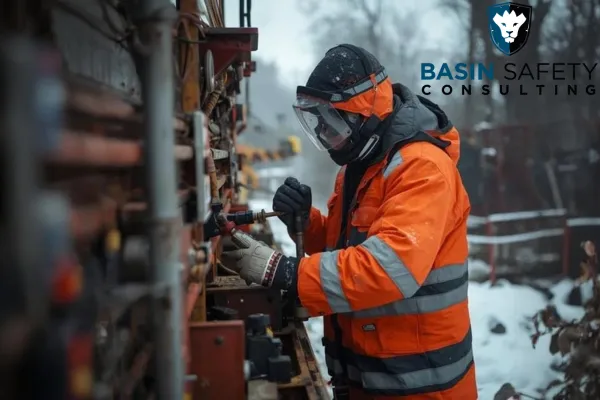
How Cold Weather Affects Equipment Integrity: Inspections You Shouldn’t Skip in December
The arrival of December brings more than freezing temperatures—it brings conditions that can quickly weaken equipment, reduce performance, and create unexpected hazards. Cold air causes materials to contract, moisture to freeze, and batteries to lose power. Left unaddressed, these issues can lead to breakdowns, accidents, downtime, and costly repairs.
Understanding how cold weather affects equipment is the first step in preventing winter-related failures.
How Cold Weather Reduces Equipment Performance
Material Brittleness
Metal, plastic, and rubber become stiff and brittle in freezing temperatures. Components that normally flex under pressure may crack or break without warning, especially when equipment is operated before it warms up.
Thickened Fluids
Hydraulic fluid, motor oil, grease, and transmission fluid thicken significantly in cold temperatures. This forces your equipment to work harder and slows down responsiveness—raising the risk of component strain or failure.
Weakened Batteries
Batteries lose a large portion of their capacity in the cold. Equipment may struggle to start, shut off unexpectedly, or run inconsistently. Weak batteries also affect emergency systems and sensors.
Frozen Components
Moisture trapped inside equipment can freeze, affecting valves, brakes, sensors, and electrical connectors. Frozen components may stick, lock up, or stop responding altogether.
Tire and Track Problems
Cold temperatures reduce tire pressure, harden rubber, and decrease traction—making it easier for equipment to slide or lose control on snow or ice.
December Inspections You Shouldn’t Skip
Hydraulic Systems
Check for leaks, cracked hoses, and sluggish response caused by cold, thickened fluid. Allow equipment to warm up before putting it under load.
Batteries and Electrical Systems
Test voltage, inspect terminals for corrosion, and replace weak batteries now—before the cold weather drains them further.
Tires, Tracks, and Wheels
Low tire pressure is common in December. Inspect for cracking, worn treads, and reduced traction, especially on snow-covered job sites.
Lubrication
Reapply winter-grade lubricants anywhere friction occurs, including joints, hinges, and moving parts. Cold weather reduces the effectiveness of standard oils and greases.
Fuel Systems
Check for water contamination or signs of fuel gelling in diesel-powered equipment. Winter additives can help prevent clogging and hard starts.
Safety and Rescue Gear
Inspect ladders, fall protection, extinguishers, PPE, and shutoff systems. Cold weather can cause materials to stiffen, freeze, or lose durability.
Rubber Components
Examine belts, seals, and hoses. If they feel stiff, brittle, or cracked, replace them immediately—they’re more likely to fail in low temperatures.
Warm-Up Cycles
Make warm-up cycles part of daily protocol. Operating equipment at full power while still cold can cause hydraulic shock or stress on internal components.
A Winter-Ready Site Starts With Proper Inspections
December’s cold weather places major stress on equipment—from thickened fluids to frozen components and weak batteries. Conducting thorough winter inspections keeps your operation safe, compliant, and productive throughout the season. A little preparation now prevents bigger problems later.
Stay proactive this winter.
Contact Basin Safety today for equipment integrity inspections, winter safety training

Archives
Categories
Benzene Testing
Bloodborne Pathogens
Breathing Air Systems
Certification Process
Confined Space Attendants
Confined Spaces
Construction Equipment Operators
Electrical
Environmental Compliance
Excavation and Trenching
Fire Extinguisher Training
Forklift Operator
Hazcom Workplace Safety
HAZWOPER
Hearing Protection Training
Heavy Equipment
Hydrogen Sulfide
Lone Worker
Lone Worker Solutions App
Monitoring
Oil and Gas
Oil Drilling
Online Training Confined Spaces
Permit-required
PPE
Radiation Safety
Rescue Equipment
Rescue Team
Safety Consultants
Safety Devices
Safety Tracking
Safety Training
Site Inspections
Training 1
Training 2
Training 3
Training 4
Training 5
Uncategorized
Virtual Access to Safety Data
Waste Haulers
Confined Space Rescue
Mental Health
VISIT US
202 48th Ave SW, Williston, ND 58801
2740 Sims St. Suite B Dickinson, ND 58601
(701) 572-8140

BASIN SAFETY CONSULTING CORPORATION
Basin Safety believes in shared excellence. We are accountable to our core values:
● Pioneering Excellence Everyday
● Supporting each other to put customers first
● Asking the right questions, to ensure the greatest results.
Basin Safety Consulting © 2026. All rights reserved.
Powered By Upleveled Strategies
BASIN SAFETY CONSULTING CORPORATION
Basin Safety believes in shared excellence. We are accountable to our core values:
● Pioneering Excellence Everyday
● Supporting each other to put customers first
● Asking the right questions, to ensure the greatest results.
VISIT US
202 48th Ave SW, Williston, ND 58801
2740 Sims St. Suite B Dickinson, ND 58601
(701) 572-8140
Basin Safety Consulting © 2026. All rights reserved.
Powered By Upleveled Strategies