



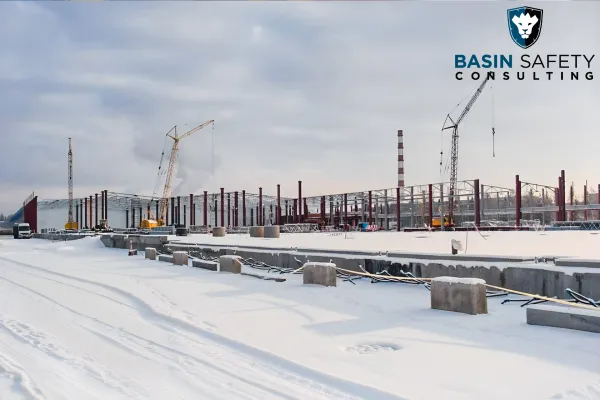
Top Tips for Working Safely on Icy Job Sites
Winter weather creates serious hazards on job sites—especially when ice and snow are involved. Slips, falls, and cold-related injuries increase significantly during icy conditions, putting workers at risk and slowing productivity.
Whether you’re in construction, utilities, oil and gas, or general industry, following proper icy job site safety practices is essential. Below are practical, easy-to-follow tips to help keep workers safe during winter operations.
Why Icy Job Sites Are So Dangerous
Ice reduces traction, visibility, and stability—especially on elevated surfaces like ladders, scaffolding, and walkways. Common winter job site hazards include:
Slips and falls on icy surfaces
Falls from ladders or platforms
Reduced grip on tools and handrails
Cold stress and frostbite
Equipment malfunction in freezing temperatures
Understanding these risks is the first step toward preventing winter-related injuries.
Top Tips for Working Safely on Icy Job Sites
1. Clear Ice and Snow Regularly
Removing ice and snow should be a top priority before work begins.
Best practices include:
Shoveling walkways, stairs, and work zones
Applying salt, sand, or ice melt for traction
Rechecking surfaces throughout the day as conditions change
2. Use Proper Winter PPE
Wearing the right cold-weather personal protective equipment (PPE) improves safety and comfort.
Essential winter PPE includes:
Slip-resistant, insulated boots
Thermal gloves with good grip
High-visibility winter jackets
Insulated hard hat liners
Tip: Ensure PPE does not restrict movement or visibility.
3. Practice Ladder and Elevated Surface Safety
Ladders and icy surfaces are a dangerous combination.
Ladder safety tips for icy conditions:
Inspect ladders for ice buildup before use
Never place ladders on icy or uneven ground
Use ladder levelers or anti-slip bases
Maintain three points of contact at all times
4. Slow Down and Stay Alert
Rushing increases the likelihood of slips and falls.
Encourage workers to:
Take shorter steps on icy surfaces
Keep hands free for balance
Watch for black ice and shaded areas
Avoid carrying heavy loads when surfaces are slick
5. Train Workers on Winter Job Site Safety
Proper training reduces accidents and improves awareness.
Effective training should cover:
Recognizing icy job site hazards
Cold stress symptoms and prevention
Emergency response for winter injuries
Safe use of ladders and access points in winter
Regular safety refreshers keep winter hazards top of mind.
Cold Stress: A Hidden Winter Hazard
In addition to slips and falls, workers face risks from prolonged cold exposure.
Watch for signs of cold stress:
Shivering
Numbness or tingling
Fatigue or confusion
Allow warm-up breaks and provide heated shelters when possible.
Conclusion: Make Winter Safety a Priority
Icy job sites demand extra caution, planning, and training. By clearing ice, wearing proper PPE, practicing ladder safety, and providing winter-specific training, employers can significantly reduce injuries and downtime.
Winter conditions may be unavoidable—but injuries don’t have to be.
Looking to strengthen your winter safety program? Contact us today!

Archives
Categories
Benzene Testing
Bloodborne Pathogens
Breathing Air Systems
Certification Process
Confined Space Attendants
Confined Spaces
Construction Equipment Operators
Electrical
Environmental Compliance
Excavation and Trenching
Fire Extinguisher Training
Forklift Operator
Hazcom Workplace Safety
HAZWOPER
Hearing Protection Training
Heavy Equipment
Hydrogen Sulfide
Lone Worker
Lone Worker Solutions App
Monitoring
Oil and Gas
Oil Drilling
Online Training Confined Spaces
Permit-required
PPE
Radiation Safety
Rescue Equipment
Rescue Team
Safety Consultants
Safety Devices
Safety Tracking
Safety Training
Site Inspections
Training 1
Training 2
Training 3
Training 4
Training 5
Uncategorized
Virtual Access to Safety Data
Waste Haulers
Confined Space Rescue
Mental Health
VISIT US
202 48th Ave SW, Williston, ND 58801
2740 Sims St. Suite B Dickinson, ND 58601
(701) 572-8140

BASIN SAFETY CONSULTING CORPORATION
Basin Safety believes in shared excellence. We are accountable to our core values:
● Pioneering Excellence Everyday
● Supporting each other to put customers first
● Asking the right questions, to ensure the greatest results.
Basin Safety Consulting © 2026. All rights reserved.
Powered By Upleveled Strategies
BASIN SAFETY CONSULTING CORPORATION
Basin Safety believes in shared excellence. We are accountable to our core values:
● Pioneering Excellence Everyday
● Supporting each other to put customers first
● Asking the right questions, to ensure the greatest results.
VISIT US
202 48th Ave SW, Williston, ND 58801
2740 Sims St. Suite B Dickinson, ND 58601
(701) 572-8140
Basin Safety Consulting © 2026. All rights reserved.
Powered By Upleveled Strategies