
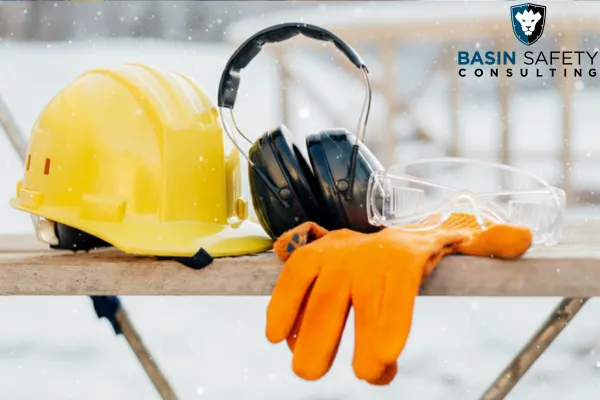
Maintaining PPE in Extreme Winter Conditions
Working in extreme winter conditions demands more than just resilience—it requires well-maintained personal protective equipment (PPE). Frost, snow, and sub-zero temperatures can degrade PPE, putting workers at risk. Proper maintenance ensures PPE remains effective, extends its lifespan, and keeps employees safe on the job.
Why Winter PPE Maintenance is Critical
Extreme winter conditions present unique hazards:
Cold-related injuries: Frostbite and hypothermia risk increases if PPE fails.
Reduced equipment lifespan: Freezing temperatures can crack helmets, gloves, and boots.
Regulatory compliance: OSHA and safety standards require properly maintained PPE.
Maintaining winter PPE is not optional—it’s a safety requirement that protects both workers and the company.
Key Steps to Maintain PPE in Winter
1. Regular Inspection
Check PPE before and after every use:
Look for cracks, tears, or worn-out straps.
Inspect gloves, boots, and thermal layers for moisture damage.
Replace any equipment that doesn’t meet safety standards.
2. Proper Cleaning
Winter PPE is exposed to ice, salt, and chemicals:
Wipe down helmets, goggles, and protective suits after each shift.
Follow manufacturer instructions for washing thermal layers and gloves.
Avoid harsh detergents that can degrade protective materials.
3. Correct Storage
Protect PPE from extreme cold when not in use:
Store in insulated areas or temperature-controlled lockers.
Keep items dry to prevent freezing and mildew.
Avoid stacking heavy items on sensitive equipment like helmets or goggles.
4. Routine Maintenance
Long-term PPE performance requires proactive care:
Lubricate moving parts on equipment like respirators and harnesses.
Check thermal insulation in jackets and gloves each season.
Schedule professional inspections for high-risk PPE.
Winter PPE Tips for Oilfield Workers
Layer up: Use moisture-wicking base layers under PPE.
Dry thoroughly: Never store damp PPE—it reduces protection.
Rotate gear: Alternate equipment to allow proper drying and inspection.
Document maintenance: Keep records for compliance audits.
Conclusion
Proper PPE maintenance in extreme winter conditions is essential for safety, comfort, and regulatory compliance. A few simple steps—inspection, cleaning, storage, and routine care—can prevent injuries, extend equipment life, and keep workers performing at their best, even in the harshest conditions.