



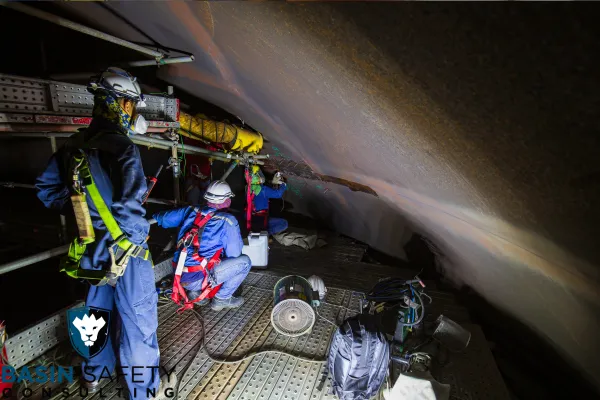
Choosing the Right Confined Space Equipment
Confined spaces are among the most dangerous work environments in industrial settings. Limited entry points, poor ventilation, and hazardous atmospheres make even routine tasks life-threatening without proper preparation. Choosing the right confined space equipment isn’t just a regulatory requirement—it can mean the difference between a safe rescue and a fatal incident.
In this guide, we’ll break down the essential confined space equipment, why it matters, and how to ensure your team is fully prepared before entry.
⚠️ What Is a Confined Space?
A confined space is any area that:
Is large enough to enter and perform work
Has limited or restricted entry or exit
Is not designed for continuous occupancy
Examples include:
Storage tanks
Manholes
Silos
Pipelines
Vaults
Because conditions can change rapidly, proper confined space safety equipment is critical.
🧰 Essential Confined Space Equipment
🧪 Air Monitoring & Gas Detection Equipment
Before and during entry, air quality must be continuously monitored.
Key equipment includes:
Multi-gas detectors
Oxygen deficiency monitors
Carbon monoxide and hydrogen sulfide sensors
These devices help detect invisible dangers before they become deadly.
🪜 Entry & Exit Equipment
Quick and safe entry or rescue depends on reliable access tools.
Common confined space entry equipment:
Tripods and davit arms
Winches and retrieval systems
Confined space ladders
This equipment allows workers to be retrieved quickly in an emergency.
🧯 Personal Protective Equipment (PPE)
Proper PPE protects workers from environmental and physical hazards.
Typical confined space PPE includes:
Full-body harnesses
Respirators or supplied-air systems
Helmets, gloves, and protective clothing
PPE must be selected based on the specific hazards of the space.
🌬️ Ventilation Equipment
Poor air circulation can quickly lead to oxygen depletion or toxic buildup.
Ventilation tools include:
Portable blowers
Ducting systems
Air movers
Effective ventilation helps maintain breathable air throughout the job.
🚑 Confined Space Rescue Equipment
Rescue must be immediate—waiting for external responders can cost lives.
Critical rescue equipment includes:
Rescue tripods and winches
Stretchers and retrieval lines
Emergency air supply systems
Having the right confined space rescue equipment on-site is essential for OSHA compliance.
📚 Why Training Is Just as Important as Equipment
Even the best equipment is ineffective without proper training. Workers must know:
How to inspect and use equipment correctly
How to recognize atmospheric hazards
Emergency and rescue procedures
✅ How to Choose the Right Confined Space Equipment
Before selecting equipment, always:
Conduct a job hazard analysis
Identify atmospheric, physical, and environmental risks
Ensure all equipment meets OSHA and ANSI standards
Inspect and maintain equipment regularly
Choosing the right gear should always be site-specific, not one-size-fits-all.
🚨 Conclusion: Safety Starts With the Right Equipment
When it comes to confined spaces, there is no room for shortcuts. The right confined space equipment—combined with proper training and planning—can prevent injuries, fatalities, and costly violations. Investing in safety today protects lives tomorrow.
Visit our website to book confined space equipment or safety training.

Archives
Categories
Benzene Testing
Bloodborne Pathogens
Breathing Air Systems
Certification Process
Confined Space Attendants
Confined Spaces
Construction Equipment Operators
Electrical
Environmental Compliance
Excavation and Trenching
Fire Extinguisher Training
Forklift Operator
Hazcom Workplace Safety
HAZWOPER
Hearing Protection Training
Heavy Equipment
Hydrogen Sulfide
Lone Worker
Lone Worker Solutions App
Monitoring
Oil and Gas
Oil Drilling
Online Training Confined Spaces
Permit-required
PPE
Radiation Safety
Rescue Equipment
Rescue Team
Safety Consultants
Safety Devices
Safety Tracking
Safety Training
Site Inspections
Training 1
Training 2
Training 3
Training 4
Training 5
Uncategorized
Virtual Access to Safety Data
Waste Haulers
Confined Space Rescue
Mental Health
VISIT US
202 48th Ave SW, Williston, ND 58801
2740 Sims St. Suite B Dickinson, ND 58601
(701) 572-8140

BASIN SAFETY CONSULTING CORPORATION
Basin Safety believes in shared excellence. We are accountable to our core values:
● Pioneering Excellence Everyday
● Supporting each other to put customers first
● Asking the right questions, to ensure the greatest results.
Basin Safety Consulting © 2026. All rights reserved.
Powered By Upleveled Strategies
BASIN SAFETY CONSULTING CORPORATION
Basin Safety believes in shared excellence. We are accountable to our core values:
● Pioneering Excellence Everyday
● Supporting each other to put customers first
● Asking the right questions, to ensure the greatest results.
VISIT US
202 48th Ave SW, Williston, ND 58801
2740 Sims St. Suite B Dickinson, ND 58601
(701) 572-8140
Basin Safety Consulting © 2026. All rights reserved.
Powered By Upleveled Strategies